Content Menu
● Market Background: Why Arabia Matters For Compostable Forks
● Main Materials Used By Compostable Forks Manufacturers And Suppliers
>> Plant‑Based Bioplastics (PLA, CPLA, PSM)
>> Agricultural‑Waste and Natural Fiber Composites
>> Wooden and Hybrid Tableware Ranges
● Hotpack Packaging Industries
● Palmade – Date‑Palm‑Based Biodegradable Cutlery
● SNH Packing General Trading LLC
● How International Buyers Cooperate With Arabian Compostable Forks Manufacturers And Suppliers
>> Clarify Application, Menu and Performance
>> Check Certifications and Compliance
>> Evaluate OEM and Private‑Label Options
>> Align Logistics and Inventory Strategy
● Typical Sourcing Models Involving Arabian Compostable Forks Manufacturers And Suppliers
● Key Points When Comparing Compostable Forks Manufacturers And Suppliers
● Conclusion
● FAQ
>> 1. What are the main advantages of sourcing from Compostable Forks Manufacturers And Suppliers in Arabia?
>> 2. Which materials are most common for compostable forks in this region?
>> 3. Can I launch a private‑label eco‑cutlery line with Arabian suppliers?
>> 4. How can I verify that the forks are truly compostable?
>> 5. Are compostable forks more expensive than traditional plastic forks?
Arabia is emerging as a key hub for eco‑friendly disposable tableware, and demand is rising quickly for reliable Compostable Forks Manufacturers And Suppliers that can serve both local and international markets. For brands, wholesalers and OEM buyers, partnering with the right Compostable Forks Manufacturers And Suppliers in Arabia is essential to secure sustainable quality, stable supply and competitive costs.
Market Background: Why Arabia Matters For Compostable Forks
Arabian countries are implementing regulations and voluntary initiatives to limit traditional single‑use plastics, especially in foodservice, retail and delivery sectors. This policy trend pushes cafés, restaurants, hotels and supermarkets to switch to biodegradable and compostable solutions for plates, cups and cutlery. In this context, Compostable Forks Manufacturers And Suppliers that can offer certified, food‑safe and cost‑effective products have a strong growth opportunity.
At the same time, the region's strategic location between Europe, Asia and Africa makes Arabia a natural logistics hub. Many buyers use Arabian ports and logistics centers to consolidate shipments of eco‑tableware and redistribute them to neighboring markets. This creates additional demand for Compostable Forks Manufacturers And Suppliers that understand export procedures, documentation and multi‑country distribution.
Main Materials Used By Compostable Forks Manufacturers And Suppliers
Different Arabian and globally connected suppliers rely on various eco‑materials. Understanding these options helps buyers choose the best fit for their brand positioning, performance needs and budget.
Plant‑Based Bioplastics (PLA, CPLA, PSM)
Many Compostable Forks Manufacturers And Suppliers use plant‑based bioplastics such as PLA (polylactic acid), CPLA (crystalized PLA) and PSM (plant starch material). These resins are typically derived from renewable resources like corn or other starches and can be molded into forks that look similar to traditional plastic.
PLA and CPLA compostable forks are popular in quick‑service restaurants, takeaway platforms and large‑scale catering because they provide a familiar look and feel while supporting “biobased” or “compostable” claims. When buyers work with Compostable Forks Manufacturers And Suppliers that specialize in these materials, it is important to confirm temperature resistance, especially for hot foods and beverages, and to align certifications with local regulations.
Agricultural‑Waste and Natural Fiber Composites
Another interesting direction is the use of agricultural waste and natural fibers, such as date‑palm leaves, wood fiber or other plant residues. In Arabia, this approach is especially visible in the UAE, where innovators convert date‑palm leaves into a bioplastic‑like material that can be processed into forks and other items.
Compostable Forks Manufacturers And Suppliers adopting this technology can offer a unique regional story: they reduce agricultural waste, create local employment and supply forks with a strong “circular economy” identity. For hospitality and tourism brands that want to emphasize local culture and sustainability, this type of fork can be more attractive than standard PLA.
Wooden and Hybrid Tableware Ranges
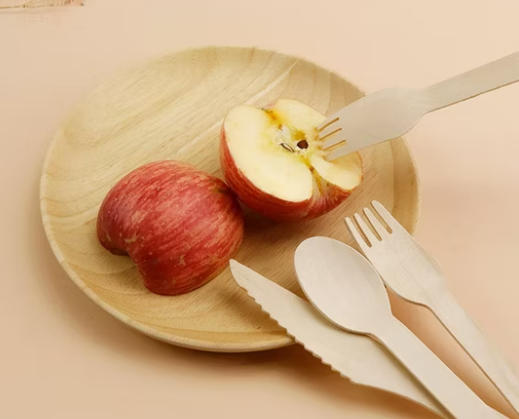
Some suppliers linked to Arabia also offer wooden cutlery sets alongside bioplastic forks. Wooden forks appeal to buyers who prefer a very natural look and are comfortable with a slightly different mouthfeel compared with plastic‑like materials. In many cases, these suppliers bundle wooden forks with paper plates, paper cups and paper straws as part of a broader eco‑tableware package.
When evaluating wooden options, buyers should still treat these companies as Compostable Forks Manufacturers And Suppliers and confirm sourcing, treatment and certification of the wood. Hygienic finishing, smooth surfaces and sustainable forestry practices all matter for long‑term brand reputation.
Hotpack Packaging Industries
Hotpack Packaging Industries is one of the most visible packaging groups in the Gulf, with manufacturing plants and sales branches serving the UAE, Saudi Arabia and several other countries. It offers a very wide portfolio of disposable packaging, and in recent years it has built a dedicated biodegradable and compostable division.
Within its eco range, Hotpack supplies biodegradable and compostable cutlery produced from corn‑starch‑based or similar bioplastic materials. The company's webstores for Saudi Arabia and the UAE promote biodegradable spoons, forks and knives as “eco‑friendly” alternatives to conventional plastic. For buyers that need steady volumes of compostable forks, Hotpack is frequently treated as one of the region's important Compostable Forks Manufacturers And Suppliers thanks to its scale and regional presence.
For private‑label and OEM projects, Hotpack can pack compostable forks in custom‑printed sleeves, boxes or mixed cutlery sets. This helps retailers and foodservice distributors that want to build their own brands around environmental responsibility. Additionally, Hotpack's warehouses and logistics network make it easier to replenish branches and franchisees across multiple Arabian markets.

Palmade – Date‑Palm‑Based Biodegradable Cutlery
Palmade, based in the UAE, focuses on turning date‑palm leaves into sustainable tableware and cutlery. The company collects agricultural waste, processes it into pellets and then molds it into forks, spoons, knives, stirrers and other items that resemble plastic but are biodegradable and compostable under suitable conditions.
Because Palmade uses a locally abundant waste stream, it offers a compelling environmental and social story. Hotels, cafés and restaurants that serve tourists often like to highlight that their forks are made from date‑palm leaves instead of fossil‑based plastic. This gives Palmade a unique position among Compostable Forks Manufacturers And Suppliers in Arabia.
Palmade has steadily increased its production capacity and supplies forks to food outlets in the UAE and neighboring Gulf countries. Some buyers develop co‑branded or private‑label programs with Palmade so they can tell a unified story across cutlery, bowls and lids made from the same material platform. For high‑end hospitality and corporate catering, such storytelling can be an important part of the sustainability strategy.
SNH Packing General Trading LLC
SNH Packing, located in Dubai Investment Park, is a tissue, hygiene and packaging company that also provides eco‑tableware. The firm operates large‑scale converting and packaging facilities and distributes more than two thousand items across tissue, towels, cups, packaging and related product categories.
Within its sustainable catalog, SNH offers eco‑friendly forks, including a “PSM Nature Fork” designed as a biodegradable and compostable alternative to standard plastic. This positions SNH as one of the active Compostable Forks Manufacturers And Suppliers serving both the UAE and Saudi Arabia through its regional expansion.
SNH's strength lies not only in manufacturing and sourcing, but also in logistics. The company maintains warehousing and its own distribution fleet, giving it deep coverage of supermarkets, hotels, restaurants and corporate customers. For international importers, this means SNH can operate both as a regional distribution partner and as a source of private‑label compostable forks for re‑export into other markets.
How International Buyers Cooperate With Arabian Compostable Forks Manufacturers And Suppliers
Whether you are a brand, wholesaler or OEM factory, working efficiently with Compostable Forks Manufacturers And Suppliers in Arabia follows a set of logical steps.
Clarify Application, Menu and Performance
The first step is to understand the end‑use scenario. Buyers should define:
- Type of food (cold salads, greasy fried food, hot dishes, desserts).
- Service style (quick‑service, takeaway, buffet, fine dining, airline catering).
- Required fork strength, length and temperature resistance.
Once these parameters are clear, you can communicate them to multiple Compostable Forks Manufacturers And Suppliers and request sample forks made from different materials, such as PLA, CPLA, PSM, or date‑palm composites. Testing these samples with real menu items ensures that the final choice balances comfort, performance and cost.
Check Certifications and Compliance
Regulations differ between regions, but many markets now expect compostable forks to comply with recognized standards. When evaluating Compostable Forks Manufacturers And Suppliers in Arabia, buyers should request:
- Compostability certificates (for example EN‑type or ISO‑based standards).
- Food‑contact approvals and migration test reports.
- Any local approvals relevant to the importing country.
Storing these documents and aligning product labeling with them is essential for smooth customs clearance and for honest environmental claims on packaging. Responsible Compostable Forks Manufacturers And Suppliers will usually share these certificates proactively and keep them updated.
Evaluate OEM and Private‑Label Options
For many brands and wholesalers, the main value of working with Compostable Forks Manufacturers And Suppliers lies in developing private‑label or OEM lines. Key aspects include:
- Custom printing on sleeves, cartons or retail boxes.
- Branded labels, barcodes and multi‑language information.
- Matching design elements across forks, knives, spoons and plates.
Arabian suppliers such as large packaging groups or specialized eco‑cutlery factories often provide in‑house or partner design services. By aligning artwork and packaging sizes early, buyers can avoid rework later in the project and ensure efficient packing for pallets and containers.
Align Logistics and Inventory Strategy
Arabia's geographic location and logistics infrastructure can support several models:
- Direct full‑container shipments from the factory or central warehouse to the buyer's country.
- Regional distribution within the Gulf, where the supplier holds inventory and delivers to multiple cities.
- Hybrid models, where compostable forks are co‑loaded with other packaging items.
When choosing among Compostable Forks Manufacturers And Suppliers, it is important to compare not only FOB or ex‑works prices, but also the total landed cost after freight, duties and logistics handling. Sometimes, a slightly higher product price is offset by lower transport cost or shorter lead time from a strategically located Arabian hub.
Typical Sourcing Models Involving Arabian Compostable Forks Manufacturers And Suppliers
Different buyers use Arabia in different ways within their supply networks. Below are some common models that show how Compostable Forks Manufacturers And Suppliers in the region fit into global strategies.
- Regional brand sourcing: A Middle Eastern supermarket chain sources compostable forks, knives and spoons from a regional eco‑cutlery producer and sells them under a private label in multiple countries around the Gulf.
- Hospitality focus: A hotel group works with a date‑palm‑based supplier in the UAE to equip resorts and conference centers with compostable forks that support local sustainability stories.
- Export consolidation: An international trading company consolidates pallets of compostable forks from several Compostable Forks Manufacturers And Suppliers in Arabia together with plates, cups and napkins and then ships mixed containers to Africa or South Asia.
- Co‑packing with food brands: A frozen‑food brand includes compostable forks in its multipacks or ready‑meal kits, working with an Arabian packaging partner that handles packing and labeling according to the food brand's specifications.
In each case, the buyer increases value by leveraging the region's production capabilities, logistics strengths and growing portfolio of Compostable Forks Manufacturers And Suppliers.
Key Points When Comparing Compostable Forks Manufacturers And Suppliers
When you create your shortlist of suppliers in Arabia, consider the following criteria:
- Material expertise: Does the supplier specialize in PLA/CPLA, PSM, date‑palm, wood, or a combination? Material know‑how affects both product performance and storytelling.
- Product scope: Some Compostable Forks Manufacturers And Suppliers only make forks, while others offer complete cutlery sets and matching plates or containers. Full‑line suppliers simplify sourcing.
- Quality systems: Check whether the factory runs standardized quality management systems, including incoming raw‑material checks, in‑process inspections and final sampling.
- MOQ and flexibility: Retailers and foodservice distributors often need a mix of SKUs and smaller trial orders; flexible MOQs from Compostable Forks Manufacturers And Suppliers can make new product launches easier.
- Sustainability positioning: Beyond basic certifications, suppliers that publish sustainability reports, use renewable energy or integrate waste reduction can support stronger marketing claims for your brand.
Balancing these factors will help you identify Compostable Forks Manufacturers And Suppliers in Arabia that match your long‑term strategy instead of just solving a short‑term sourcing gap.
Conclusion
Arabia is rapidly developing into a strategic region for eco‑friendly cutlery, and its network of Compostable Forks Manufacturers And Suppliers is expanding to meet rising demand from retail, foodservice and delivery sectors. Regional leaders such as large packaging groups, date‑palm innovators and diversified packaging companies show how local materials, bioplastics and strong logistics can be combined into competitive fork solutions for domestic and export markets.
For international brands, wholesalers and OEM producers, working with qualified Compostable Forks Manufacturers And Suppliers in Arabia offers a powerful way to integrate sustainable forks into wider product ranges while taking advantage of the region's geographic position and distribution infrastructure. By carefully assessing materials, certifications, OEM capabilities and logistics models, buyers can build reliable, scalable and cost‑effective compostable fork programs that support both environmental goals and commercial performance.

FAQ
1. What are the main advantages of sourcing from Compostable Forks Manufacturers And Suppliers in Arabia?
Arabia offers a combination of growing regional demand, advanced logistics and innovative material solutions, such as date‑palm‑based and PLA‑based forks. Buyers can tap into both local distribution networks and export‑oriented infrastructure while partnering with Compostable Forks Manufacturers And Suppliers that understand global standards.
2. Which materials are most common for compostable forks in this region?
The most common materials include PLA, CPLA, PSM and various natural fiber composites, along with wooden options from some suppliers. Compostable Forks Manufacturers And Suppliers choose materials based on target markets, required performance and the availability of local or regional feedstocks.
3. Can I launch a private‑label eco‑cutlery line with Arabian suppliers?
Yes. Many Compostable Forks Manufacturers And Suppliers in Arabia support OEM and private‑label projects, including custom packaging, branding and labeling. Retailers, wholesalers and foodservice brands can work with these suppliers to build consistent, multi‑SKU eco‑tableware ranges under their own names.
4. How can I verify that the forks are truly compostable?
You should request and review compostability and food‑contact certificates from each supplier and confirm that they correspond to recognized standards in your target market. Responsible Compostable Forks Manufacturers And Suppliers will provide clear documentation and testing reports that you can also share with regulators or customers if needed.
5. Are compostable forks more expensive than traditional plastic forks?
In many cases, compostable forks do cost more per unit than conventional plastic, because of material costs and certification requirements. However, buyers often offset this by charging a small premium, improving brand image and sometimes benefiting from regulatory incentives. Working closely with efficient Compostable Forks Manufacturers And Suppliers and optimizing packaging and logistics can narrow the price gap while maintaining sustainability benefits.


