Content Menu
● Understanding The Materials
>> Plastic Cups and Lids
>> Plant Fiber Cups and Lids
● Comparing The Lifecycle
>> Extraction and Sourcing
>> Manufacturing Process
>> Performance and Usability
>> Disposal and Waste Management
● Environmental Trade-Offs
>> Carbon Footprint
>> Pollution and Degradation
>> Resource Use Efficiency
● The Role of Infrastructure
● Future Innovations and Alternatives
>> Bioplastics and Hybrid Materials
>> Coating Innovations
>> Reusable Systems
● Conclusion
● Frequently Asked Questions
>> 1. What is the environmental benefit of using plant fiber cups over plastic ones?
>> 2. Can plant fiber cups go into home compost bins?
>> 3. Are bioplastic-lined plant fiber cups better than traditional plastic cups?
>> 4. Why are plastic cups still used if they are so harmful?
>> 5. How can I make more sustainable choices as a consumer?
In today's environmentally conscious world, everyday choices about packaging and utensil materials carry greater weight than ever before. One of the most visible and commonly used items are takeaway cups and lids. Found in coffee shops, fast food outlets, and catered events, these ubiquitous containers are a symbol of modern convenience. However, they also contribute significantly to the problem of single-use waste.
With growing concerns around sustainability, consumers and businesses are increasingly faced with a decision: continue using plastic-based cups and lids, or switch to plant fiber alternatives. Both materials claim to be useful and practical in their own right. But which is truly more environmentally friendly?
This article will explore the key differences between plastic and plant fiber cups and lids by examining their materials, production process, environmental impact, and end-of-life scenarios. By the end, you'll have a clearer understanding of how your daily coffee cup choice affects the planet.
Understanding The Materials
Plastic Cups and Lids
Plastic containers, including cups and lids, are typically made from petroleum-based materials. Common plastics used include polypropylene, polyethylene terephthalate, and polystyrene. Some newer alternatives include compostable bioplastics, which are made from harvested plant starches but mimic the benefits of traditional plastics in look and utility.
Plastic is lightweight, durable, water-resistant, and inexpensive to manufacture. These attributes make it ideal for disposable food containers and utensils. But these same qualities also make it difficult to degrade in nature and problematic for waste systems.
Plant Fiber Cups and Lids
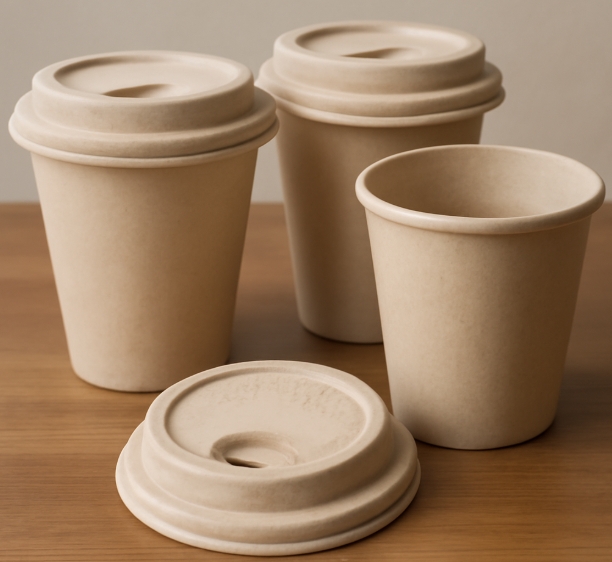
Plant fiber cups and lids are generally made from materials like sugarcane bagasse, bamboo, wheat straw, or cornstarch-based pulp. They are molded and pressed into shape and often include either an internal bio-based liner or a plant-based wax coating for moisture resistance.
These products are gaining traction due to the perception that they are more “natural,” sustainable, and biodegradable. Plant fiber cups and lids are often marketed as compostable and eco-friendly — a key reason they're growing in popularity in environmentally conscious regions and institutions.
Comparing The Lifecycle
Extraction and Sourcing
Plastic comes from fossil fuels, which must be extracted from the planet through drilling or fracking. This process not only contributes to carbon emissions and habitat disruption but also consumes large amounts of energy and water.
Plant fiber materials come from agricultural crops harvested either for food or as residue. Materials like bagasse (a sugarcane farming byproduct) capitalize on waste reuse, making plant fibers seem more sustainable. However, crop farming still requires significant land use, water resources, and—depending on the farming methods—chemical inputs such as fertilizers and pesticides.
Manufacturing Process
Plastic manufacturing involves polymerization or polycondensation processes, often completed in large factories. These processes emit pollutants, generate waste, and are heavily reliant on fossil fuels.
On the other hand, plant fiber processing is energy-intensive as well, involving pulping of plant matter, drying, and forming. While manufacturing emissions are typically lower, the process still consumes fresh water and energy, especially when creating precise shapes or adding coatings for durability.
Performance and Usability
Plastic cups and lids are admired for their strength, clarity, durability, and water-resistance. They are suitable for hot and cold drinks and typically do not leak or degrade quickly.
Plant fiber cups and lids are robust in structure but may fall short in holding hot liquids for long periods unless they have specialized coatings. They may absorb liquid and become soft if not manufactured with high-quality processes. Additionally, they can have a rougher texture and do not usually offer the visibility or sleekness that consumers often expect from plastics.
Disposal and Waste Management
Plastic is often recyclable, but most single-use plastic food ware is contaminated by food residue or made from multi-layered materials, making it nearly impossible to recycle. In many cases, plastic cups and lids end up in landfills or as litter — where they can persist for centuries, breaking into microplastics and harming ecosystems.
Plant fiber items claim to be compostable but often require industrial composting facilities to break down properly. If sent to landfills, these products may decompose slowly or not at all due to low oxygen levels. Consumer misunderstanding about proper disposal routes can lead to compostables being treated as regular trash.
Environmental Trade-Offs
Carbon Footprint
Plastic has a high carbon footprint throughout its lifecycle, starting from resource extraction through to manufacturing and transportation. This is worsened by plastic's long-lasting nature and widespread environmental presence.
While plant fiber materials begin with a lower carbon footprint, transportation, processing, and coating materials influence their actual planetary cost. Not all fiber cups are created equal — those with petroleum-based linings can cancel out many of the material's eco-friendly traits.
Pollution and Degradation
Discarded plastic fragments into microplastics, which enter water systems and food chains. In contrast, plant fiber does not fragment in the same way and is less toxic when returned to the environment — assuming it is truly unlined and processed without synthetic chemicals.
Plant fiber cups lined with petroleum-based or non-biodegradable coatings present similar challenges to plastics in waste systems. Hence, consumers should verify whether products are certified for composting and understand what local facilities are available.
Resource Use Efficiency
Plastic relies on non-renewable fossil fuels. Although efficient in production, the environmental cost of extraction is high.
Plant fiber relies on natural resources but uses crop leftovers or rapidly renewable crops like bamboo. Yet, to meet high demand, more farmland will be required, potentially leading to deforestation or ecosystem imbalance if managed poorly.
The Role of Infrastructure
Without proper infrastructure, neither material can fulfill its sustainability promise. Plastic recycling is limited and often regional, with only very specific types accepted. Meanwhile, industrial composting for plant fiber items is not widespread and often inaccessible except in well-developed cities or eco-minded regions.
Even the most biodegradable products are useless without the systems to handle them post-consumption. A product's eco-friendliness is as much about its disposal as it is about its composition.
Future Innovations and Alternatives
Bioplastics and Hybrid Materials
Some emerging materials combine plant-based inputs with traditional plastics or use bioplastics that mimic plastic's properties while being compostable. These materials are still evolving but may offer a bridge between functionality and sustainability.
Coating Innovations
Researchers are creating plant-based liners and waterproof coatings that achieve performance similar to plastic without preventing biodegradability. These coatings could soon enable fully compostable cups and lids that don't compromise on usability.
Reusable Systems
Perhaps the most eco-friendly cup-and-lid system isn't disposable at all. Initiatives for reusable takeaway cups with deposit-return models are gaining traction. These systems dramatically reduce waste, though they depend on participation and logistics to succeed.
Conclusion
When comparing plastic and plant fiber cups and lids, context is everything. While plant fiber appears more sustainable at first glance due to its natural, renewable materials and compostable claims, the infrastructure and realistic disposal routes available in your region dramatically change its effectiveness.
Plastic remains problematic due to its fossil fuel roots and long-term persistence in nature. However, it offers superior performance and lower cost. Plant fiber, while promising, must be accompanied by proper composting options and the avoidance of petroleum-based linings.
Ultimately, the most sustainable option may not be switching materials but reconsidering single-use consumption altogether. Reusable and returnable systems, greater public education, and improved waste handling infrastructure all play essential roles in creating a cleaner, healthier planet.
Frequently Asked Questions
1. What is the environmental benefit of using plant fiber cups over plastic ones?
Plant fiber cups are made from renewable natural materials, which generally means a lower carbon footprint in production. When composted properly, they return to the ecosystem without lingering toxins or microplastics, unlike traditional plastic.
2. Can plant fiber cups go into home compost bins?
Most plant fiber cups require industrial composting to fully degrade. In a home compost, they may break down very slowly or not at all due to lack of heat and microbial activity. Always check product labeling and local compost requirements.
3. Are bioplastic-lined plant fiber cups better than traditional plastic cups?
Bioplastic linings reduce petroleum use, but many still require industrial composting, and not all are compatible with composting or recycling systems. While better than conventional plastic, they still present waste management challenges.
4. Why are plastic cups still used if they are so harmful?
Plastic cups are cheap, easy to manufacture, and function well across many applications. Many regions also lack the infrastructure or incentive to switch to more sustainable alternatives, and the convenience factor keeps plastic in circulation.
5. How can I make more sustainable choices as a consumer?
Opt for reusable cups whenever possible, choose certified compostable products when disposable items are needed, and learn about your local waste disposal options. Support businesses and policies that encourage circular, zero-waste systems.


