Content Menu
● Understanding Plant Fiber Bowl And Lid Products
>> What Are Plant Fiber Bowls and Lids?
>> How Are They Manufactured?
● Health Advantages of Plant Fiber Bowl And Lid Products
>> Free from Harmful Chemicals
>> Hypoallergenic and Non-Toxic
>> Safe for Microwave and Freezer Use
>> No Residual Odors or Flavors
● Safety Advantages of Plant Fiber Bowl And Lid Products
>> Enhanced Food Safety
>> Resistant to Mold and Bacteria
>> Single-Use Hygiene
>> No Sharp Edges or Splinters
● Environmental Benefits Supporting Health and Safety
>> Compostable and Biodegradable
>> Reduced Carbon Footprint
>> Support for Sustainable Agriculture
● Practical Applications and User Experiences
>> Food Service Industry
>> Household Use
>> Institutional Settings
● Addressing Common Concerns
>> Are Plant Fiber Bowls and Lids Durable?
>> Do They Affect Food Quality?
>> Are They More Expensive Than Plastic?
>> How Should They Be Disposed Of?
>> Are There Any Limitations?
● Conclusion
● FAQ
>> 1. What materials are commonly used to make plant fiber bowls and lids?
>> 2. Can plant fiber bowls and lids be used for hot foods?
>> 3. Are these products safe for children and people with allergies?
>> 4. How should I dispose of plant fiber bowls and lids after use?
>> 5. Are plant fiber bowls and lids suitable for all types of food?
As the world grows increasingly aware of environmental issues and the importance of health-conscious living, the food packaging industry is experiencing a dramatic transformation. Traditional plastic and foam containers are gradually being replaced by sustainable alternatives, with plant fiber bowl and lid products leading the way. These innovative containers, crafted from renewable plant-based materials, offer a host of health and safety benefits that extend far beyond their environmentally friendly appeal.
This comprehensive article delves into the unique health and safety advantages of using plant fiber bowls and lids. We will explore their origins, manufacturing process, practical benefits, and their growing role in homes, businesses, and institutions. By the end, you will understand why plant fiber products are becoming the preferred choice for those who value both personal well-being and the health of our planet.
Understanding Plant Fiber Bowl And Lid Products
What Are Plant Fiber Bowls and Lids?
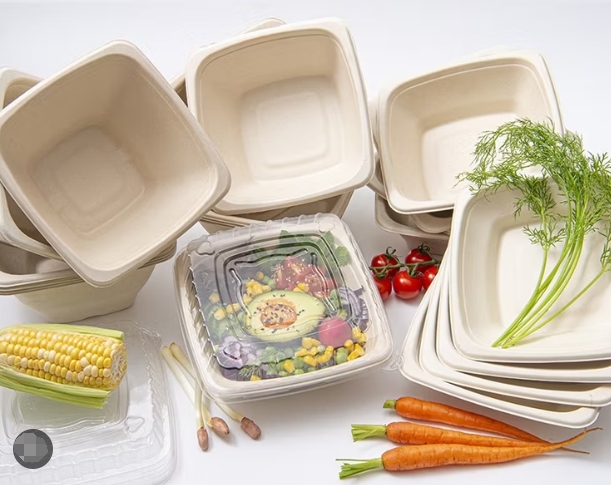
Plant fiber bowls and lids are food containers made from the fibrous residues of plants after harvesting. Common sources include sugarcane bagasse, bamboo, wheat straw, and rice husks. These fibers are processed and molded into sturdy, lightweight containers suitable for serving both hot and cold foods. Designed to be compostable and biodegradable, plant fiber products break down naturally, leaving no harmful residues behind.
How Are They Manufactured?
The manufacturing process for plant fiber bowls and lids is both efficient and environmentally conscious. It begins with the collection of agricultural by-products, which are then cleaned and pulped to extract the fibers. These fibers are mixed with water and sometimes natural binders, then molded into the desired shapes using heat and pressure. The result is a strong, smooth, and food-safe container. Importantly, this process does not require harmful chemicals or synthetic additives, ensuring the final product is safe for direct food contact.
Health Advantages of Plant Fiber Bowl And Lid Products
Free from Harmful Chemicals
One of the most significant health benefits of plant fiber bowls and lids is their chemical composition. Unlike some plastic and foam containers that may leach harmful substances into food, plant fiber products are naturally free from toxins such as bisphenol A (BPA), phthalates, and styrene. This makes them a safer choice for serving both hot and cold foods, especially for children and those with chemical sensitivities.
Hypoallergenic and Non-Toxic
Plant fiber bowls and lids are hypoallergenic, making them suitable for individuals with sensitivities or allergies to synthetic materials. Their natural composition minimizes the risk of adverse reactions, ensuring that food remains uncontaminated and safe to consume. This is especially valuable in settings like hospitals, schools, and care facilities, where vulnerable populations are present.
Safe for Microwave and Freezer Use
Many plant fiber containers are designed to withstand a wide range of temperatures. They can be safely used in microwaves and freezers without releasing harmful substances or degrading in quality. This versatility adds to their appeal for both home and commercial use, allowing for convenient reheating and storage of leftovers.
No Residual Odors or Flavors
Unlike some plastic containers that can impart unpleasant odors or flavors to food, plant fiber bowls and lids maintain the natural taste and aroma of the food they contain. This ensures a more enjoyable and authentic dining experience, free from the chemical aftertaste sometimes associated with synthetic packaging.
Safety Advantages of Plant Fiber Bowl And Lid Products
Enhanced Food Safety
Plant fiber containers are manufactured under strict hygienic conditions, reducing the risk of contamination. Their non-porous surface prevents the absorption of liquids and oils, which can harbor bacteria in other types of packaging. This helps maintain food freshness and safety during storage and transport, making them an excellent choice for takeout, catering, and meal delivery services.
Resistant to Mold and Bacteria
The natural fibers used in these products possess inherent resistance to mold and bacterial growth. This property is particularly valuable in humid or warm environments, where traditional packaging might become a breeding ground for harmful microorganisms. As a result, plant fiber bowls and lids help reduce the risk of foodborne illnesses.
Single-Use Hygiene
Plant fiber bowls and lids are often designed for single use, eliminating the need for cleaning and reducing the risk of cross-contamination. This is especially important in settings such as hospitals, schools, and food service establishments, where strict hygiene standards are required. Single-use containers also save time and resources by eliminating the need for washing and sterilizing reusable items.
No Sharp Edges or Splinters
Unlike some disposable wooden or bamboo products, plant fiber containers are smooth and free from splinters or sharp edges. This reduces the risk of injury during handling and use, making them safer for children and adults alike. Their comfortable design also enhances the dining experience, whether at home or on the go.
Environmental Benefits Supporting Health and Safety
Compostable and Biodegradable
Plant fiber bowls and lids are fully compostable, breaking down into natural components without leaving harmful residues. This reduces landfill waste and prevents the accumulation of microplastics in the environment, which can pose health risks to humans and wildlife. By choosing compostable packaging, consumers and businesses contribute to a cleaner, safer world.
Reduced Carbon Footprint
The production of plant fiber containers generates fewer greenhouse gas emissions compared to traditional plastic manufacturing. By choosing these products, consumers and businesses help reduce air pollution and promote a healthier planet. This, in turn, supports public health by improving air quality and reducing the environmental burden of waste management.
Support for Sustainable Agriculture
Sourcing raw materials from agricultural by-products supports sustainable farming practices. This not only benefits the environment but also promotes healthier communities by reducing reliance on synthetic materials and chemicals. Supporting sustainable agriculture helps protect soil health, conserve water, and foster biodiversity, all of which have positive ripple effects on human health.
Practical Applications and User Experiences
Food Service Industry
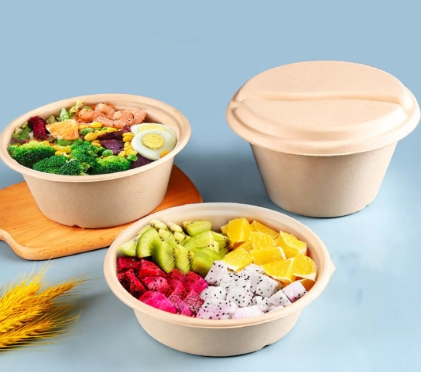
Restaurants, cafes, and catering companies are increasingly adopting plant fiber bowls and lids for takeout and delivery services. These products offer a safe, hygienic, and attractive solution for serving a wide variety of foods, from soups and salads to rice dishes and desserts. Their sturdy construction and leak-resistant design make them ideal for busy food service environments.
Household Use
Families are turning to plant fiber containers for everyday meals, picnics, and parties. Their convenience, safety, and eco-friendliness make them an ideal choice for busy households seeking healthier alternatives to plastic and foam. Plant fiber bowls and lids are easy to use, dispose of, and compost, making them a practical addition to any kitchen.
Institutional Settings
Hospitals, schools, and corporate cafeterias benefit from the hygienic and single-use nature of plant fiber products. Their use helps maintain high standards of cleanliness and reduces the risk of foodborne illnesses. Plant fiber containers are also well-suited for serving meals to large groups, simplifying logistics and cleanup.
Addressing Common Concerns
Are Plant Fiber Bowls and Lids Durable?
Modern manufacturing techniques have significantly improved the strength and durability of plant fiber containers. They can hold hot liquids, resist leaks, and maintain their shape under normal use, making them a reliable choice for a wide range of applications. Whether used for soup, salad, or a hearty stew, these containers perform admirably.
Do They Affect Food Quality?
Plant fiber bowls and lids are designed to preserve the quality and freshness of food. Their non-reactive surface ensures that flavors and aromas remain intact, providing a superior dining experience. Unlike some packaging materials that can alter the taste or smell of food, plant fiber containers keep meals delicious and authentic.
Are They More Expensive Than Plastic?
While plant fiber products may have a slightly higher upfront cost, their health, safety, and environmental benefits often outweigh the price difference. Additionally, as demand increases and production scales up, prices are expected to become more competitive. Many consumers and businesses find that the long-term benefits justify the investment.
How Should They Be Disposed Of?
Plant fiber bowls and lids can be composted in industrial or home composting systems. They break down naturally, returning valuable nutrients to the soil and supporting a circular economy. Proper disposal ensures that these products fulfill their promise of sustainability and environmental responsibility.
Are There Any Limitations?
While plant fiber containers are suitable for most foods, extremely oily or acidic items may require an additional lining or treatment. However, ongoing innovations are addressing these challenges, expanding the range of applications for these products. Manufacturers continue to develop new coatings and formulations that enhance performance without compromising sustainability.
Conclusion
The transition to plant fiber bowl and lid products represents a significant advancement for both individual health and public safety. These containers offer a multitude of advantages, from being free of harmful chemicals to supporting sustainable agriculture and reducing environmental impact. Their adoption in various sectors demonstrates a growing commitment to safer, healthier, and more responsible food packaging solutions.
By choosing plant fiber bowls and lids, consumers and businesses not only protect their own health but also contribute to the well-being of future generations. As technology advances and awareness spreads, plant fiber products are poised to become the standard for food service and daily living, setting a new benchmark for health, safety, and sustainability.
FAQ
1. What materials are commonly used to make plant fiber bowls and lids?
Plant fiber bowls and lids are typically made from agricultural by-products such as sugarcane bagasse, bamboo, wheat straw, and rice husks. These materials are renewable, biodegradable, and safe for food contact.
2. Can plant fiber bowls and lids be used for hot foods?
Yes, most plant fiber containers are designed to withstand high temperatures, making them suitable for serving hot soups, stews, and beverages without deforming or releasing harmful substances.
3. Are these products safe for children and people with allergies?
Absolutely. Plant fiber bowls and lids are hypoallergenic and free from common allergens found in some plastics and synthetic materials. Their smooth surfaces also reduce the risk of injury.
4. How should I dispose of plant fiber bowls and lids after use?
These products can be composted in home or industrial composting systems. They will naturally break down into organic matter, supporting soil health and reducing landfill waste.
5. Are plant fiber bowls and lids suitable for all types of food?
While they are ideal for most foods, extremely oily or acidic items may require a special lining. However, ongoing innovations are expanding their suitability for a wider range of food types.


