Content Menu
● Why Source Compostable Forks From Poland?
● Key Types of Compostable Forks in the Polish Market
>> Wooden Compostable Forks
>> PLA and CPLA Compostable Forks
>> Innovative Plant-Based Forks
● Leading Compostable Forks Manufacturers And Suppliers in Poland
>> Biotrem – Wheat Bran-Based Tableware and Cutlery
>> Bagstar – Bio Disposable Cutlery and Packaging
>> Wammashop – Online Distributor of Biodegradable Forks
>> Slowpack – Eco-Friendly PLA Disposable Cutlery
● How International Buyers Work With Polish Compostable Forks Manufacturers And Suppliers
>> Defining Material and Performance Requirements
>> Sampling, Certifications, and Compliance
>> OEM, Private Label, and Branding Options
>> Logistics, Incoterms, and Long-Term Cooperation
● Trends Shaping Compostable Forks Manufacturers And Suppliers in Poland
>> Impact of EU Single-Use Plastics Rules
>> Move Toward Agricultural By-Products and Local Sourcing
>> Online Channels and Specialized Eco Stores
● Practical Tips for Working With Compostable Forks Manufacturers And Suppliers
● Conclusion
● FAQ
>> 1. What materials do Polish Compostable Forks Manufacturers And Suppliers commonly use?
>> 2. Are compostable forks from Poland suitable for hot foods?
>> 3. Do Polish Compostable Forks Manufacturers And Suppliers offer OEM or private-label services?
>> 4. How can I verify the compostability claims of forks from Poland?
>> 5. Which types of businesses typically buy from Polish Compostable Forks Manufacturers And Suppliers?
Poland is emerging as a strong sourcing hub in Europe for eco-friendly disposable tableware, especially for brands and importers seeking reliable Compostable Forks Manufacturers And Suppliers with competitive pricing and EU-compliant quality. For buyers focused on reducing plastic, Polish Compostable Forks Manufacturers And Suppliers offer a mix of wooden, PLA, CPLA, and innovative plant-based materials that fit both foodservice and retail needs.
Polish Compostable Forks Manufacturers And Suppliers have built an ecosystem that serves cafes, restaurant chains, catering companies, wholesalers, and retailers across Europe. Their products are designed to meet growing expectations for sustainability while maintaining the convenience and hygiene that disposable cutlery must provide. As environmental regulations tighten and consumers become more conscious, demand for compostable forks and related eco cutlery from Poland is set to continue rising.
Why Source Compostable Forks From Poland?
Poland combines EU food-contact standards with comparatively lower production and logistics costs, which makes its Compostable Forks Manufacturers And Suppliers attractive to international wholesalers and brand owners. The country's central location in Europe also means shorter lead times to key markets such as Germany, France, the Nordics, and the UK, whether shipping full pallets or mixed containers of compostable forks and other eco cutlery.
The manufacturing base behind Compostable Forks Manufacturers And Suppliers in Poland benefits from modern machinery, trained labor, and well-developed logistics networks. Many producers operate under ISO-certified quality systems and follow EU hygiene regulations, which helps overseas buyers reduce compliance risks. Additionally, competition among different Compostable Forks Manufacturers And Suppliers encourages innovation in materials, product design, and packaging solutions.
Polish Compostable Forks Manufacturers And Suppliers increasingly focus on sustainable raw materials such as birch wood, PLA, CPLA, and agricultural by-products, positioning themselves as serious alternatives to traditional plastic cutlery producers. Many of these Compostable Forks Manufacturers And Suppliers also offer private-label or OEM services, allowing overseas brands to build customized eco ranges with distinctive packaging and branding. This combination of sustainability, flexibility, and European compliance makes Poland an attractive long-term sourcing base.
Key Types of Compostable Forks in the Polish Market
Different applications require different materials, so understanding the main types offered by Compostable Forks Manufacturers And Suppliers in Poland is essential. Most Polish suppliers focus on performance, heat resistance, and compostability certifications, which determines which type of compostable fork is best for each project. Buyers can usually choose between wooden forks, PLA/CPLA forks, and more innovative plant-based solutions based on their target users and budgets.
Wooden Compostable Forks
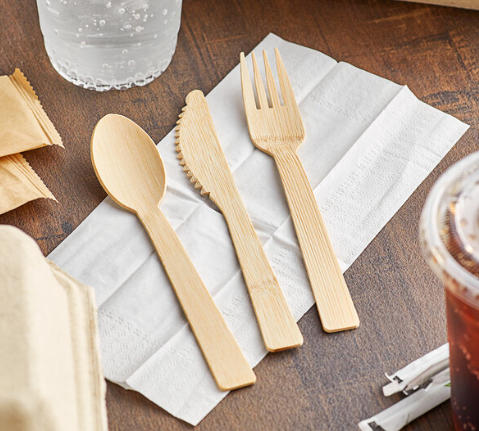
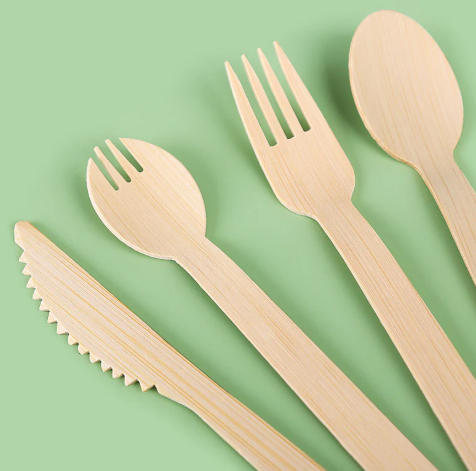
Many Compostable Forks Manufacturers And Suppliers in Poland offer wooden forks made from FSC-certified birch wood, which is strong, splinter-resistant, and fully biodegradable. These forks are popular in quick-service restaurants, food trucks, festivals, and catering events because they offer a natural, rustic look that aligns well with eco branding. Wood also gives consumers a clear visual signal that the product is different from conventional plastic forks.
Wooden compostable forks usually perform well with cold and moderately hot foods, although they may feel slightly rough compared with smooth plastic-like alternatives. Polish Compostable Forks Manufacturers And Suppliers often sell them in sizes ranging from small tasting forks to full-size meal forks and fruit forks, giving importers flexibility for different menus. For large foodservice chains or event organizers, wooden forks are often the first step when switching to environmentally friendly cutlery.
Because wooden forks are made from renewable resources and decompose naturally, they help companies reduce their plastic footprint without significantly changing how meals are served. Many Compostable Forks Manufacturers And Suppliers combine wooden forks with wooden knives, spoons, stirrers, and picks to create complete eco cutlery sets. This allows buyers to launch cohesive, sustainable product lines under their own brands or private labels.
PLA and CPLA Compostable Forks
PLA and CPLA (crystallized PLA) forks are popular with Compostable Forks Manufacturers And Suppliers that focus on a more “plastic-like” user experience but made from renewable resources such as corn starch. PLA forks are suitable mainly for cold or mildly warm foods, while CPLA forks undergo a crystallization process that increases heat resistance and rigidity, making them better for hot dishes. These materials offer a smooth surface and familiar feel, which many consumers appreciate.
In Poland, specialized eco packaging distributors and online retailers offer a wide range of PLA and CPLA compostable forks that meet industrial compostability requirements. These forks are usually white, cream, or natural in color, and Compostable Forks Manufacturers And Suppliers often match them with knives and spoons to create full cutlery sets for cafes, canteens, corporate cafeterias, and delivery platforms. Some suppliers provide multi-piece packs for retail shelves and bulk-packed cartons for professional kitchens.
When evaluating PLA and CPLA options, buyers should confirm compostability standards, heat resistance, and local waste-management practices. Compostable Forks Manufacturers And Suppliers can provide guidance on whether their PLA or CPLA forks are best promoted for industrial composting facilities rather than home composting. In markets where industrial composting infrastructure is expanding, these materials can be a strong fit for sustainability-focused brands.
Innovative Plant-Based Forks
Beyond wood and PLA, some Compostable Forks Manufacturers And Suppliers serving the Polish market promote forks made from advanced plant-based composites such as wheat bran or similar agricultural residues. These materials can be molded into strong forks with good stiffness and, in some cases, are even technically edible or safe for animals if they enter natural environments. Such forks often become a marketing highlight because of their unique origin story.
Polish innovators and technology companies have been active in developing biodegradable cutlery to support the EU's restrictions on single-use plastics. Their solutions are increasingly visible in export catalogs, trade fairs, and sustainability reports, helping Polish Compostable Forks Manufacturers And Suppliers differentiate themselves from competitors in other regions. For overseas buyers, these innovative compostable forks can be a strong differentiator when competing in premium eco segments or when targeting environmentally conscious consumers.
Because these materials are closely tied to local agriculture, they also contribute to circular economy narratives. Compostable Forks Manufacturers And Suppliers that use bran or similar by-products can demonstrate how they turn waste into value-added products, which strengthens their partners' sustainability claims. This storytelling potential is a valuable asset for brands that want to communicate more than just “plastic-free” to their customers.
Leading Compostable Forks Manufacturers And Suppliers in Poland
Below are some notable companies active as Compostable Forks Manufacturers And Suppliers or as key distributors of eco cutlery within Poland. All examples are real companies that can be relevant partners for foreign brands, wholesalers, and OEM buyers searching for compostable forks and related items.
Biotrem – Wheat Bran-Based Tableware and Cutlery
Biotrem is a Polish technology company that produces biodegradable disposable tableware and cutlery using patented technology based mainly on compressed wheat bran. The company operates a production plant in Zambrów in north-eastern Poland and sources bran from local mills, transforming this agricultural by-product into functional plates, bowls, and cutlery. Biotrem's products are distributed in many countries, giving it a strong presence among innovative Compostable Forks Manufacturers And Suppliers.
Biotrem's range includes plates, bowls, cups, and cutlery made from wheat bran, along with forks and related items made from composites that may combine bran with bioplastics. For buyers looking for truly distinctive compostable forks, Biotrem stands out among Compostable Forks Manufacturers And Suppliers because its products combine high sustainability credentials with a compelling story about waste reduction and circular production. The brand often appears in media and sustainability discussions, which supports marketing efforts for buyers who source from them.
Foreign importers and distributors can cooperate with Biotrem to develop tailored assortments of wheat-bran based forks and other eco tableware. These items can be positioned as premium, innovative alternatives to wooden or standard PLA forks. For companies that want to highlight local agriculture, lower CO₂ emissions, and reduced plastic waste, partnering with such Compostable Forks Manufacturers And Suppliers can create strong differentiation.
Bagstar – Bio Disposable Cutlery and Packaging
Bagstar is a Polish company located near Warsaw (Marki) that offers a broad selection of eco packaging and bio disposable cutlery, including compostable forks. Its assortment covers eco forks, eco knives, eco spoons, chopsticks, and various takeaway packaging solutions targeted at restaurants, catering firms, and retailers. This makes Bagstar an important player among multi-category Compostable Forks Manufacturers And Suppliers in the Polish market.
For buyers seeking compostable forks, Bagstar can supply wooden and bioplastic options that meet typical foodservice requirements such as hygiene, durability, and cost-effectiveness. The company offers products both through a physical store near Warsaw and via online ordering with delivery across Poland. As a result, Bagstar supports not only large B2B customers but also smaller enterprises that want to access eco cutlery from reliable Compostable Forks Manufacturers And Suppliers.
International wholesalers and importers can use Bagstar's catalog as a reference when planning their own assortments. Bagstar's product descriptions, pack sizes, and material choices demonstrate how Polish Compostable Forks Manufacturers And Suppliers structure their offers for fast-moving foodservice channels. For brands that already work with OEM factories elsewhere, Bagstar can also serve as a benchmark for the Polish and broader EU market.
Wammashop – Online Distributor of Biodegradable Forks
Wammashop operates an online platform in Poland that offers a wide range of disposable and biodegradable cutlery, including several types of biodegradable forks. Its assortment includes birch wood forks, fruit forks, tasting forks, and other eco cutlery suitable for cafes, restaurants, hotels, and event organizers. As a result, Wammashop plays a visible role in connecting local Compostable Forks Manufacturers And Suppliers with end users.
Although Wammashop itself functions primarily as an e‑commerce distributor rather than a factory, it is deeply integrated into the network of Compostable Forks Manufacturers And Suppliers. By sourcing from multiple producers, it can present buyers with a diversified selection of compostable forks and related items. For overseas buyers who want to test market preferences or check product performance, Wammashop's range can serve as a practical and easily accessible reference.
Wammashop's catalog also helps illustrate current trends in designs, sizes, and packaging formats. It shows which types of compostable forks are in active demand in Poland, which materials are preferred, and how prices are positioned relative to traditional plastics. For foreign brands planning their own private-label ranges, studying platforms like Wammashop alongside direct contact with Compostable Forks Manufacturers And Suppliers is a valuable step.
Slowpack – Eco-Friendly PLA Disposable Cutlery
Slowpack is a Polish online store specializing in eco packaging and disposable tableware, offering a dedicated category for PLA disposable cutlery. Its range includes PLA knives, spoons, and forks that are designed as eco-friendly alternatives to fossil-based plastic products. Slowpack works closely with Compostable Forks Manufacturers And Suppliers that provide certified PLA and CPLA cutlery lines.
Because Slowpack focuses on environmentally friendly solutions, it carefully curates compostable forks and other items that meet certain sustainability criteria. Buyers using Slowpack as a source can access forks that follow defined compostability and food-contact standards. This makes the platform a useful partner for catering companies, cafes, and smaller retailers that want to source from trusted Compostable Forks Manufacturers And Suppliers without managing complex imports themselves.
From an international perspective, Slowpack offers insight into how PLA and CPLA forks are presented to Polish consumers. Product descriptions, recommended usage, and labeling all show how eco claims are communicated in practice. Overseas companies can draw inspiration from these examples when designing packaging, marketing claims, and usage guidelines for their own compostable forks sourced from Polish or other suppliers.

How International Buyers Work With Polish Compostable Forks Manufacturers And Suppliers
For overseas brands, wholesalers, and importers, cooperation with Compostable Forks Manufacturers And Suppliers in Poland typically follows structured steps to ensure quality and compliance. Knowing how to manage product selection, sampling, contracts, and logistics helps reduce risk and build long-term partnerships. The process is similar whether buyers focus on wooden, PLA, or innovative plant-based forks.
Defining Material and Performance Requirements
The first step is to define what kind of compostable forks are required: wooden, PLA, CPLA, or innovative plant-based composites such as wheat-bran based forks. Buyers should specify heat resistance, stiffness, color, length, and whether forks must be home‑compostable or suitable only for industrial composting. The clearer the requirements, the easier it is for Compostable Forks Manufacturers And Suppliers to recommend suitable products.
Compostable Forks Manufacturers And Suppliers in Poland can then suggest materials and product lines based on these parameters. In many cases, they may propose a portfolio rather than a single fork type, for example wooden forks for certain dishes and CPLA forks for very hot foods. When sustainability is a central part of the brand story, buyers can request detailed documentation about material origins, compostability, and environmental impact.
Sampling, Certifications, and Compliance
Before any large OEM order, leading Compostable Forks Manufacturers And Suppliers usually provide product samples for physical testing and user feedback. Buyers can test the forks with different food types, monitor breakage or softness, and check whether the appearance and feel fit their branding expectations. Internal tests and small pilot projects help avoid problems once products reach mass distribution.
Polish Compostable Forks Manufacturers And Suppliers can supply certificates related to materials, food-contact suitability, and compostability standards. Buyers should verify these documents carefully, particularly if the forks will be sold in markets with strict regulations or labeling rules. In some cases, additional local testing or labeling adjustments may be required, and experienced Compostable Forks Manufacturers And Suppliers can advise on these details.
OEM, Private Label, and Branding Options
Many Polish Compostable Forks Manufacturers And Suppliers are open to OEM or private-label cooperation, especially for larger volumes. In such cases, the factory supplies standard or customized compostable forks while the foreign partner manages the brand name, packaging design, and marketing. This model allows buyers to build proprietary product ranges without investing in their own production facilities.
Customization with Compostable Forks Manufacturers And Suppliers can include logo printing on packaging, custom pack sizes, barcodes, QR codes, and detailed sustainability messaging. Some suppliers can also provide multilingual packaging artwork to suit different European or global markets. When buyers work closely with these Compostable Forks Manufacturers And Suppliers, they can create coherent eco product lines that match both functional and branding needs.
Logistics, Incoterms, and Long-Term Cooperation
Because Poland is within the EU, shipping from Polish Compostable Forks Manufacturers And Suppliers to other European countries is straightforward, with road freight being the most common option. For overseas buyers, pallet or container shipments can be arranged via seaports or multimodal logistics hubs. Incoterms such as EXW, FOB, FCA, or DAP can be negotiated based on who manages transport and insurance.
Long-term cooperation with Compostable Forks Manufacturers And Suppliers often involves annual volume planning, periodic price reviews, and joint development of new fork designs or materials. Reliable partners maintain transparent communication about raw material costs, regulatory changes, and potential lead-time fluctuations. This helps overseas buyers integrate Polish Compostable Forks Manufacturers And Suppliers into their global supply chains with confidence.
Trends Shaping Compostable Forks Manufacturers And Suppliers in Poland
The Polish market for compostable forks is shaped by regulatory, technological, and consumer trends that affect how Compostable Forks Manufacturers And Suppliers develop their portfolios. Understanding these trends can help buyers anticipate future requirements and opportunities, especially in fast-moving eco product categories.
Impact of EU Single-Use Plastics Rules
EU restrictions on single-use plastic plates and cutlery have directly increased demand for compostable alternatives, boosting the importance of Compostable Forks Manufacturers And Suppliers across Poland. Restaurants, retailers, and event organizers are under pressure to replace conventional plastics with biodegradable or compostable options, which has accelerated product development and capacity expansion.
Polish innovators and producers, such as those working with wheat bran or advanced bioplastics, have responded by scaling up manufacturing and launching new product lines. This regulatory-driven shift creates a more mature supplier base for foreign buyers but also intensifies competition among Compostable Forks Manufacturers And Suppliers. As a result, differentiation through material innovation, design, and storytelling has become increasingly important.
Move Toward Agricultural By-Products and Local Sourcing
A growing number of Compostable Forks Manufacturers And Suppliers use agricultural by-products, like wheat bran, instead of virgin plastics. In Poland, mills and grain-processing facilities provide a steady stream of bran and similar residues that can be transformed into tableware and cutlery. This supports both waste reduction and added value for local agricultural chains.
By promoting forks made from such materials, Compostable Forks Manufacturers And Suppliers strengthen the environmental profile of their products and appeal to buyers seeking traceable, local supply chains. These solutions also align well with circular economy principles, which are increasingly emphasized in EU policy and corporate sustainability programs. For importers, forks made from agricultural by-products can support premium pricing strategies and stronger eco claims.
Online Channels and Specialized Eco Stores
Eco-focused e‑commerce platforms and specialized stores play a growing role in promoting compostable forks and other green packaging solutions within Poland. These channels aggregate offerings from multiple Compostable Forks Manufacturers And Suppliers and present them to small businesses, catering firms, and individual consumers. This broad exposure helps new materials and designs gain traction more quickly.
For overseas brands, such online stores are useful for market research, price benchmarking, and understanding which fork types and formats resonate with local buyers. They also serve as potential distribution partners for foreign companies that cooperate with external OEM factories but want to enter the Polish or EU market under their own brands. In many cases, cooperation between online retailers and Compostable Forks Manufacturers And Suppliers results in exclusive bundles or co-branded eco product ranges.
Practical Tips for Working With Compostable Forks Manufacturers And Suppliers
When selecting Compostable Forks Manufacturers And Suppliers in Poland, buyers should pay attention to a few practical aspects that can significantly influence product success. These considerations help ensure that the compostable forks perform well in real-world conditions while also supporting brand and sustainability goals.
- Clarify end-of-life expectations: confirm whether forks will be composted industrially, handled in mixed waste, or promoted for home composting, and choose materials accordingly with your Compostable Forks Manufacturers And Suppliers.
- Check user comfort and performance: compare wooden and PLA/CPLA forks for mouthfeel, taste neutrality, strength, and behavior with greasy or hot foods before finalizing any design with Compostable Forks Manufacturers And Suppliers.
- Consider regulatory requirements: ensure Compostable Forks Manufacturers And Suppliers have documentation that aligns with your target market's labeling and food-contact rules, especially if you sell outside the EU.
- Negotiate smart packaging: work with Compostable Forks Manufacturers And Suppliers to design packaging that clearly communicates compostability and usage instructions while avoiding vague or misleading claims.
- Plan capacity and lead times: discuss forecasted volumes and potential seasonal peaks so that Compostable Forks Manufacturers And Suppliers can allocate production slots and maintain stable supply.
By following these steps and maintaining open communication, buyers can build resilient relationships with Compostable Forks Manufacturers And Suppliers in Poland, supporting both commercial and sustainability objectives.
Conclusion
Poland has quickly become a strategic location for Compostable Forks Manufacturers And Suppliers that serve both domestic and international demand for sustainable disposable cutlery. Companies such as Biotrem, Bagstar, Wammashop, and Slowpack illustrate the diversity of the ecosystem, from technology-driven wheat-bran cutlery to established distributors of wooden and PLA forks. Together, they demonstrate how Polish industry is adapting to new environmental regulations and consumer expectations.
For foreign brands, wholesalers, and OEM buyers, working with Polish Compostable Forks Manufacturers And Suppliers enables access to EU-level quality, innovative materials, and competitive pricing. By carefully defining product requirements, validating certifications, testing performance, and building long-term partnerships, buyers can secure reliable supplies of compostable forks that support their environmental strategies. As regulations tighten and demand for sustainable products grows worldwide, Polish Compostable Forks Manufacturers And Suppliers are well-positioned to play a significant role in global supply chains.
FAQ
1. What materials do Polish Compostable Forks Manufacturers And Suppliers commonly use?
Polish Compostable Forks Manufacturers And Suppliers most often use birch wood, PLA, CPLA, and plant-based composites made from agricultural by-products such as wheat bran. These materials offer different combinations of strength, heat resistance, and compostability, allowing buyers to match forks to specific foodservice applications and branding requirements.
2. Are compostable forks from Poland suitable for hot foods?
Many wooden compostable forks and CPLA forks from Polish Compostable Forks Manufacturers And Suppliers are suitable for hot foods, while standard PLA forks are better for cold or mildly warm dishes. Buyers should always check temperature recommendations, review technical data sheets, and test samples to ensure the forks maintain rigidity, safety, and comfort under real serving conditions.
3. Do Polish Compostable Forks Manufacturers And Suppliers offer OEM or private-label services?
Several Compostable Forks Manufacturers And Suppliers in Poland provide OEM or private-label options, especially for larger wholesale or retail projects. They can supply unbranded or customized compostable forks while the buyer controls packaging design, labeling, and branding for their target market, enabling strong differentiation and flexibility.
4. How can I verify the compostability claims of forks from Poland?
Reputable Compostable Forks Manufacturers And Suppliers provide certificates showing compliance with relevant compostability standards and documentation on materials used. Buyers can request these certificates, cross-check them with certification bodies, examine test reports, and, if needed, commission independent laboratory testing before placing large orders.
5. Which types of businesses typically buy from Polish Compostable Forks Manufacturers And Suppliers?
Customers of Compostable Forks Manufacturers And Suppliers in Poland include restaurants, catering companies, food trucks, festivals, supermarkets, and eco-focused online retailers. International importers and brand owners also source from Polish suppliers to build sustainable cutlery lines for markets across Europe and beyond, often integrating these products into broader eco packaging programs.


