Content Menu
● Dutch Market Overview for Disposable Cup Lids
● Main Types of Disposable Cup Lids
>> Hot drink lids
>> Cold drink and smoothie lids
>> Specialty fiber and bagasse lids
● Common Lid Materials
>> Conventional plastics: PP and PS
>> Bioplastics: CPLA and other PLA blends
>> Fiber, cardboard, and bagasse
● Notable Companies Serving the Dutch Cup‑Lid Market
>> Dutch Cups
>> CUPSZ
>> Global Co‑Packing (Netherlands)
>> Keizer International BV
>> International OEM lid specialists
● Typical Manufacturing and Forming Processes
>> Injection molding for plastic lids
>> Thermoforming and punching for fiber or cardboard lids
● OEM and Private‑Label Cooperation Models
>> Key OEM steps when sourcing lids
>> Common customization options
● Choosing the Right Cup‑Lid Supplier
>> Technical and quality considerations
>> Regulatory and certification requirements
>> Logistics, service, and communication
● Role of Chinese OEM Factories in the Dutch Supply Chain
● Practical Sourcing Tips for International Buyers
● Conclusion
● FAQ
>> 1. What lid sizes are most commonly used in the Netherlands?
>> 2. Do I need separate suppliers for cups and lids?
>> 3. Are compostable lids accepted everywhere in the Netherlands?
>> 4. What information should I prepare before contacting an OEM lid manufacturer?
>> 5. How can I control quality when importing lids into the Netherlands from overseas?
● Citations:
Disposable Cup Lid Manufacturers And Suppliers in the Netherlands are increasingly important partners for global brands, wholesalers, and manufacturers that need reliable, compliant, and sustainable foodservice packaging. By sourcing from Dutch and international producers that serve the Dutch market, buyers can secure stable supply, shorter lead times into Europe, and strong technical support for both hot and cold beverage applications.
Dutch Market Overview for Disposable Cup Lids
The Netherlands has a mature foodservice and coffee‑to‑go culture, which directly drives demand for high‑quality disposable cup lids. The country serves as a logistics hub for Europe, so many Disposable Cup Lid Manufacturers And Suppliers either locate production in the Netherlands or use Dutch distributors and co‑packers to reach surrounding markets. This environment is ideal for foreign brands that want to centralize purchasing and distribution of disposable cup lids across multiple EU countries.
Disposable Cup Lid Manufacturers And Suppliers active in this market must align with EU food‑contact rules, single‑use plastic regulations, and national waste‑reduction policies. As a result, buyers can access a growing portfolio of PP and PS plastic lids, compostable bioplastic lids, and fiber or bagasse lids that help improve sustainability performance without sacrificing function.
Main Types of Disposable Cup Lids
To work effectively with Disposable Cup Lid Manufacturers And Suppliers in the Netherlands, importers and brand owners should clearly understand the main lid styles and their typical applications.
Hot drink lids
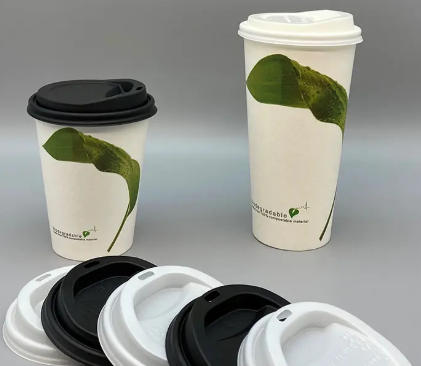
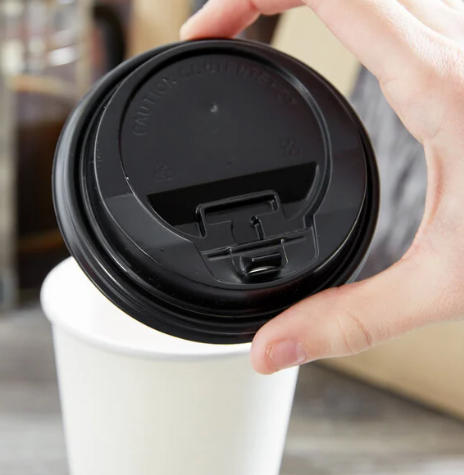
Hot drink lids are designed to handle high temperatures and prevent spills while consumers walk or drive with their beverages. Common features include raised profiles, sipping slots, and small vents that release steam to avoid pressure build‑up. Many Disposable Cup Lid Manufacturers And Suppliers offer standard diameters such as 80 mm and 90 mm for espresso, cappuccino, and large coffee cups.
Cold drink and smoothie lids
For soft drinks, iced coffee, bubble tea, and smoothies, Disposable Cup Lid Manufacturers And Suppliers frequently supply:
- Flat lids with straw holes for carbonated drinks and iced beverages.
- Dome lids for creamy drinks, shakes, and products topped with whipped cream or foam.
These lids must fit tightly to the cup rim, tolerate cold temperatures, and often incorporate clear materials that showcase the drink.
Specialty fiber and bagasse lids
More brands now require plastic‑free or low‑plastic lids to meet internal sustainability targets. In response, many Disposable Cup Lid Manufacturers And Suppliers offer:
- Molded fiber lids made from paper pulp or cellulose.
- Bagasse lids made from sugarcane residue, sometimes certified as compostable.
These lids provide a more natural look and can help reduce plastic consumption in the Netherlands and broader EU markets.
Common Lid Materials
Choosing the right material is a key discussion point between buyers and Disposable Cup Lid Manufacturers And Suppliers.
Conventional plastics: PP and PS
Polypropylene (PP) and polystyrene (PS) are widely used for disposable coffee cup lids and cold drink lids. They provide good rigidity, heat resistance for hot drinks, and impact resistance for transport. For many mainstream takeaway chains, PP or PS lids remain the most economical option, especially when ordered in very high volumes.
Bioplastics: CPLA and other PLA blends
Compostable bioplastic lids made from CPLA (crystallized PLA) or related PLA blends are popular among eco‑focused Disposable Cup Lid Manufacturers And Suppliers. These lids perform similarly to traditional plastics for hot drinks but can be industrially compostable under the right conditions. European and Dutch coffee brands use CPLA lids to support marketing claims around greener packaging and reduced fossil‑based plastic use.
Fiber, cardboard, and bagasse
Fiber‑based lids are shaped from paperboard, pulp, or bagasse and often paired with paper cups to create a unified, low‑plastic concept. Some Dutch and European engineering firms develop lid‑forming machines specifically for cardboard lids, including vent‑lid designs that release steam from hot beverages while preserving safety and drinking comfort. For buyers, these solutions are ideal when consumer perception and regulatory pressures favor plastic‑free packaging.
Notable Companies Serving the Dutch Cup‑Lid Market
Both local Dutch companies and global Disposable Cup Lid Manufacturers And Suppliers contribute to the Netherlands' cup‑lid supply network. Below is a non‑exhaustive selection of real companies involved in cups, lids, or related packaging that are relevant when planning sourcing strategies for the Dutch market.
Dutch Cups
Dutch Cups is a Netherlands‑based producer whose core focus is reusable polypropylene cups with matching lids. The company uses local in‑house production and modern injection‑molding technology to maintain full quality control and offer strong branding possibilities. For buyers, Dutch Cups illustrates how the Dutch market supports cup concepts with tailored lids, modern decoration techniques, and efficient logistics.
CUPSZ
CUPSZ is a Dutch company that designs and manufactures custom paper cups and insulating lids. It handles printing, forming, and finishing under one roof, allowing tight quality control and fast turnarounds. Certification such as BRC and the use of responsibly sourced paperboard make CUPSZ a trusted option for brands that want a European supplier of cups and lids combining product safety with strong design.
Global Co‑Packing (Netherlands)
Global Co‑Packing is a Dutch packaging and co‑packing company supplying cups and mugs that can be sealed with lids or sealing films. While its core activity is integrated packaging and filling solutions, it routinely works with disposable cup lids through its network. Overseas brands cooperating with such a partner can integrate cup‑and‑lid sourcing with filling, labeling, and secondary packaging, which can significantly simplify project management.
Keizer International BV
Keizer International BV is a Netherlands‑based provider of mono‑material PET and recycled PET (rPET) packaging, including lids, caps, and closures. Its focus on mono‑material designs supports recyclability and aligns with circular‑economy goals. For cold beverages, dairy drinks, and ready‑to‑drink products, these PET lids offer good transparency and strength while supporting sustainability communications.
International OEM lid specialists
In addition to Dutch firms, several international Disposable Cup Lid Manufacturers And Suppliers work closely with Dutch importers and distributors:
- Get Bio Pak, a cup manufacturer that produces sugarcane bagasse and paper lids for global clients seeking compostable cup‑lid solutions.
- Ancheng, a specialist in disposable cups and matching lids, including paper, bagasse, and plastic options for both hot and cold beverages.
- LOKYO, a manufacturer of paper lids with food‑grade certifications and audit records aimed at demanding international foodservice buyers.
- Zhiben Group, a molded bagasse cup‑lid manufacturer known for its wide range of fiber lids compatible with many common cup sizes.
These global Disposable Cup Lid Manufacturers And Suppliers often provide large‑volume OEM and private‑label services, which are then distributed within the Netherlands by local partners.

Typical Manufacturing and Forming Processes
Understanding how lids are manufactured helps buyers communicate effectively with Disposable Cup Lid Manufacturers And Suppliers and evaluate technical capabilities.
Injection molding for plastic lids
Most PP and PS cup lids are made through injection molding:
1. Plastic granules are dried and fed into an injection‑molding machine.
2. The granules melt and are injected into multi‑cavity molds shaped like the final lids.
3. The lids cool and solidify in the mold before being ejected.
4. Automated systems trim excess material, stack lids, and prepare them for packaging.
Injection‑molding lines for disposable cup lids are engineered for high output and consistent dimensions, ensuring that lids fit standardized cup rims with minimal leakage risk.
Thermoforming and punching for fiber or cardboard lids
Fiber and cardboard lids are typically produced in a forming process that may include:
1. Preparing paperboard or molded pulp sheets.
2. Punching disks and rings where two‑piece lids are required.
3. Forming the ring and disk into a robust lid structure using heat and mechanical force.
4. Adding vents or special openings for sipping or steam release.
Dutch and European engineering companies have developed lid‑forming machines capable of making robust two‑piece cardboard lids, including vent‑lid versions for hot drinks. This technology helps Disposable Cup Lid Manufacturers And Suppliers shift away from fully plastic solutions.
OEM and Private‑Label Cooperation Models
For foreign brands and wholesalers, OEM cooperation with Disposable Cup Lid Manufacturers And Suppliers is often the most efficient way to secure customized, compliant products.
Key OEM steps when sourcing lids
A typical OEM process for disposable cup lids involves:
- Project briefing: Define beverage type, lid style (flat, dome, sip), target markets, certifications required, and expected monthly or annual consumption.
- Design and matching: Share cup dimensions or samples so the supplier can design a compatible lid profile and locking ring.
- Sampling and testing: The supplier produces pilot samples; the buyer checks fit, leak resistance, heat or cold performance, and consumer experience.
- Tooling and molds: For new lid designs, the manufacturer may create dedicated molds or modify existing ones to accommodate branding details or special functionality.
- Mass production and logistics: Once samples pass all tests, the Disposable Cup Lid Manufacturers And Suppliers schedule mass production, then arrange shipment to the Netherlands or to a Dutch distributor's warehouse.
Common customization options
When working with OEM Disposable Cup Lid Manufacturers And Suppliers, buyers can often customize:
- Embossed logos or brand names on the lid surface.
- Unique sip‑hole geometry or straw‑hole placement.
- Colors matching brand guidelines, such as black, white, natural, or transparent.
- Material selection (PP, PS, CPLA, bagasse, fiber, rPET) to align with sustainability targets and local regulations.
Choosing the Right Cup‑Lid Supplier
Selecting the best Disposable Cup Lid Manufacturers And Suppliers for the Netherlands market requires a clear evaluation of technical, regulatory, and commercial factors.
Technical and quality considerations
- Fit and sealing performance: Lids must lock securely onto the intended cups to prevent leaks, especially for take‑away hot drinks.
- Material safety and performance: Materials need to be approved for food contact, withstand the planned temperature range, and maintain rigidity during transport.
- Process capability and capacity: Reliable suppliers document their production capacity, cycle times, and quality‑control systems for mass orders.
Regulatory and certification requirements
Serious Disposable Cup Lid Manufacturers And Suppliers can provide relevant documentation, such as:
- Food‑contact declarations and migration test reports compliant with EU rules.
- Certifications like BRC, ISO, or HACCP for manufacturing sites.
- Chain‑of‑custody proofs such as FSC for paper‑based materials.
These documents make it easier to pass audits from major coffee chains, retailers, and foodservice groups.
Logistics, service, and communication
When serving the Netherlands and surrounding markets, the practical side of cooperation with Disposable Cup Lid Manufacturers And Suppliers is crucial:
- Short lead times, supported by stock held in Dutch or nearby European warehouses.
- Stable order cycles that match seasonal demand for beverages.
- Responsive communication in English and, if needed, in other European languages to avoid misunderstandings about specifications.
Role of Chinese OEM Factories in the Dutch Supply Chain
Although the title focuses on Disposable Cup Lid Manufacturers And Suppliers in the Netherlands, Chinese OEM factories play a major role behind the scenes. Many Dutch distributors, importers, and brand owners balance local and Asian sourcing to optimize cost, risk, and sustainability.
Chinese OEM manufacturers:
- Provide high‑volume production of disposable cup lids at competitive prices, covering PP, PS, CPLA, paper, and bagasse.
- Offer one‑stop supply for cups, lids, straws, and related items, simplifying procurement.
- Are familiar with EU food‑contact standards and can manufacture according to buyer‑specified requirements.
For a global buyer supplying the Netherlands, combining Dutch partners for local distribution and Asian Disposable Cup Lid Manufacturers And Suppliers for bulk production can create a flexible and cost‑effective supply chain.
Practical Sourcing Tips for International Buyers
To maximize success when dealing with Disposable Cup Lid Manufacturers And Suppliers for the Netherlands market, consider the following strategies:
- Start with standard lid sizes and materials to test demand before moving to highly customized solutions.
- Request detailed drawings and stack‑height data to ensure lids fit cup dispensers and packaging equipment.
- Align your sustainability roadmap with supplier capabilities, especially if planning to shift gradually from PP lids to CPLA, fiber, or bagasse.
- Develop long‑term volume forecasts so manufacturers can plan capacity and offer better pricing.
By following these steps, buyers can build stable partnerships and avoid problems such as leak issues, supply disruptions, or regulatory non‑compliance.
Conclusion
Disposable Cup Lid Manufacturers And Suppliers serving the Netherlands offer a broad mix of local Dutch expertise and international OEM capacity, giving global brands and wholesalers a wide range of options. From Dutch companies like Dutch Cups, CUPSZ, Global Co‑Packing, and Keizer International BV to large Asian manufacturers of plastic, paper, and bagasse lids, buyers can combine European proximity with global scale. By understanding lid types, materials, certifications, and OEM processes, importers and brand owners can select the right partners, reduce packaging risks, and support both business growth and sustainability goals in the Dutch and wider European beverage markets.
FAQ
1. What lid sizes are most commonly used in the Netherlands?
The most common lid diameters in the Netherlands follow global hot‑drink standards, especially around 80 mm for small cups and 90 mm for medium and large coffee cups. For cold drinks, smoothie and soda lids often use similar diameters so they can share cup bodies and dispensers.
2. Do I need separate suppliers for cups and lids?
Not necessarily. Some Disposable Cup Lid Manufacturers And Suppliers offer both cups and lids as complete systems, while others work closely with partner cup factories. Many buyers source cups and lids together from one OEM to guarantee fit and simplify quality control, but it is also possible to match lids from one supplier to cups from another as long as dimensions are clearly defined.
3. Are compostable lids accepted everywhere in the Netherlands?
Compostable lids such as CPLA or bagasse are widely promoted, but local waste‑management infrastructure and regulations determine how they are handled. Before switching, brands should check whether municipal or private waste collectors support industrial composting or specific labeling schemes to ensure that the marketing claims around compostable Disposable Cup Lid Manufacturers And Suppliers match real end‑of‑life conditions.
4. What information should I prepare before contacting an OEM lid manufacturer?
Before speaking with OEM Disposable Cup Lid Manufacturers And Suppliers, prepare your target cup sizes, expected monthly or annual volume, target markets, required certifications, preferred materials, and any branding requirements such as embossing or colors. Providing existing cup drawings or physical samples will help the supplier quickly design a compatible lid.
5. How can I control quality when importing lids into the Netherlands from overseas?
To control quality when working with overseas Disposable Cup Lid Manufacturers And Suppliers, combine several tools: factory audits or virtual inspections, clear specifications and drawings, pre‑production samples, third‑party laboratory tests for food‑contact compliance, and random inspections before shipment. Establishing long‑term cooperation and clear communication channels further reduces the risk of defects or non‑compliant products.
Citations:
[1](https://inmaco.nl/cardboard-lid-machine-process/)
[2](https://dutchcups.com/production-and-logistics/)
[3](https://www.youtube.com/watch?v=drWDHYBwhVA)
[4](https://www.nesscoindia.com/nl/en/products/paper-lid-machine/ns-lid-h)
[5](https://www.honokage.com/how-plastic-cups-are-produced-in-the-factory/)
[6](https://inmaco.nl/category-machinery/cardboard-lid-machines/)
[7](https://www.linkedin.com/pulse/how-cup-lid-works-one-simple-flow-2025-visionary-networks-group-guu4f)
[8](https://www.huhtamaki.com/en/highlights/sustainability/how-paper-cups-are-made/)
[9](https://www.voestalpine.com/highperformancemetals/benelux/en/products-services/engineered-products/plastic-injection-molding/coffee-cup-mold/)
[10](https://www.youtube.com/watch?v=bGAcX5fzZ4I)


